


Dental Implants in Mississauga, ON
Dental Implants Near You
Missing teeth can affect how you eat, speak, and feel about your smile. At Burnhamthorpe Dentistry, Dr. Vick provides personalized guidance for patients considering dental implants in Mississauga, ON. Because this is a solo practice, you communicate directly with him throughout your care and receive one-on-one attention rather than feeling like another patient in a high-volume clinic.
We offer dental implants near you with a focus on patient education, conservative planning, and long-term oral health. Dr. Vick takes time to understand your concerns, explain the available options, and help you decide whether implant treatment is suitable for your needs.
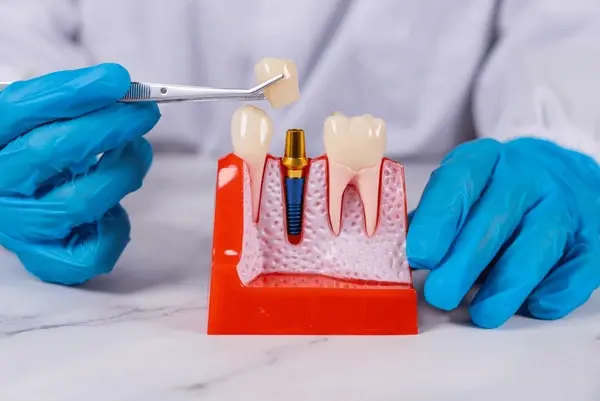
How Do Dental Implants Replace Missing Teeth?
A dental implant is a small biocompatible post, most commonly made of titanium, that is placed in the jawbone to replace the root of a missing tooth. Once the implant has integrated with the surrounding bone, it can support a dental crown, bridge, or implant-supported denture.
Unlike a traditional bridge, a single implant usually does not require the neighbouring teeth to be reshaped. Implants can also stimulate the surrounding bone and may help limit some of the bone loss that commonly occurs after a tooth is removed.
To find out whether implant treatment is suitable for you, schedule an examination with a dental clinic near you. Your gums, jawbone, and overall health will be evaluated as part of the assessment. If you are considering dental implants in Mississauga, ON, Dr. Vick will explain the potential benefits, limitations, timeline, and alternative treatment options before you make a decision.
Who May Be a Candidate for Dental Implants?
Dental implants may be considered if you:
Have One or More Missing Teeth
Implants may replace a single tooth, several teeth, or support a full-arch restoration.
Have Healthy Gums
Active gum disease usually needs to be managed before implant treatment begins.
Have Adequate Jawbone
Sufficient bone is needed to support an implant, although bone grafting may be considered when volume is limited.
Maintain Good Oral Hygiene
Daily care and regular dental visits are essential for protecting the tissues around an implant.
Have Well-Managed Health Conditions
When appropriate, a professional cleaning removes plaque and tartar that regular brushing and flossing cannot fully remove.
Want a Stable Tooth-Replacement Option
Implant-supported restorations can offer greater stability than traditional removable options in suitable cases.
Candidacy can only be confirmed after a clinical examination and appropriate imaging.
How Does Dental Implant Treatment Work?
When you visit us for dental implants near you, Dr. Vick follows a Tell-Show-Do approach so you understand each stage of the process. Your treatment may include:
One-on-One Consultation
You speak directly with Dr. Vick about your missing teeth, health history, concerns, and treatment goals.
Detailed Examination
He evaluates your gums, remaining teeth, bite, and the area where the implant may be placed.
Digital Imaging
Appropriate imaging helps assess the jawbone and nearby anatomical structures. Dr. Vick explains the findings so you can understand the treatment plan.
Personalized Planning
Your options, expected timeline, costs, and possible need for preparatory treatment are discussed before you proceed.
Implant Placement
The implant post is positioned in the jawbone using a carefully planned surgical procedure.
Healing and Integration
The surrounding bone gradually bonds with the implant. This stage often takes several months.
Final Restoration
Once the area has healed, a custom crown, bridge, or other restoration is attached to restore the appearance and function of your smile.
Ongoing Maintenance
Regular examinations and professional cleanings help monitor the implant and surrounding gums.
The exact steps and timeline vary depending on your oral health, the number of implants, the location being treated, and whether additional procedures are needed.
Benefits of Dental Implants
Improved Stability
An implant-supported tooth is anchored in the jawbone and does not rely on adhesives for support.
Better Chewing Function
Once healing is complete, implants can make it easier to eat a varied diet.
Natural Appearance
The final restoration is designed to complement the colour, shape, and proportions of your surrounding teeth.
Preservation of Nearby Teeth
A single implant generally does not require healthy neighbouring teeth to be reduced for support.
Jawbone Stimulation
The implant transfers pressure to the jawbone and may help reduce bone loss around the missing-tooth area.
Long-Term Use
Implants can last for many years with healthy gums, proper home care, and regular professional maintenance.
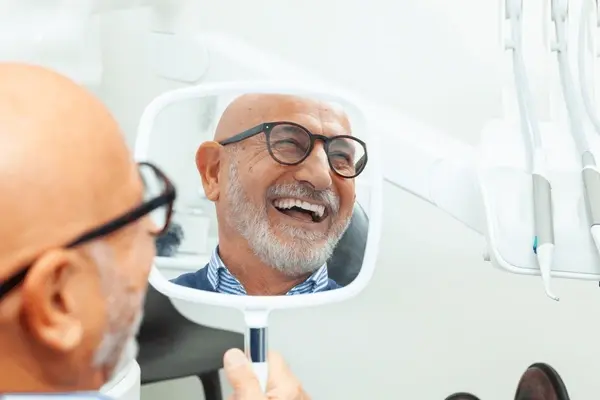
Greater Confidence
A stable tooth replacement may help you feel more comfortable when speaking, eating, or smiling.
No tooth replacement is permanent or maintenance-free. Dr. Vick will explain the factors that may affect the long-term outcome of your treatment.
Why Choose Burnhamthorpe Dentistry?
If you are searching for a dental clinic in Mississauga, ON, who provides direct communication and personalized planning, our solo practice offers a different type of dental experience. Dr. Vick remains involved throughout your care and ensures you understand each recommendation.
Direct Access to Dr. Vick
You communicate with the same dentist throughout the assessment, planning, and follow-up stages.
One-on-One Attention
Your appointments are centred on your individual concerns rather than a high-volume schedule.
Tell-Show-Do Philosophy
Dr. Vick explains his findings, shows you the relevant images, and discusses each step before treatment.
Conservative Planning
We recommend treatment only when it is appropriate and consider alternatives that may preserve your natural teeth.
Clear Expectations
You receive honest information about the timeline, healing process, possible risks, costs, and long-term maintenance.
Premium Environment
Our med-spa-inspired clinic and ceiling-mounted TVs help create a calm and comfortable experience.
Multilingual Care
Dr. Vick provides care in English, Hindi, and Punjabi.
Convenient Billing
We provide direct insurance billing and accept CDCP for eligible services. Implant treatment may not be covered.
When you choose our clinic for dental implants near you, you receive personalized guidance and the time needed to make an informed decision without pressure.
Take the First Step Toward Replacing Your Missing Tooth
At Burnhamthorpe Dentistry, we provide dental implants in Mississauga, ON, to help restore your smile. Dr. Vick can evaluate your oral health, explain your tooth-replacement options, and help determine whether implant treatment is appropriate for you.
Contact us today to schedule a one-on-one consultation.
FAQs
Are dental implants suitable for everyone with missing teeth?
No. Suitability depends on factors such as gum health, jawbone volume, medical history, medications, smoking habits, and your ability to maintain good oral hygiene. Dr. Vick will complete an assessment before recommending treatment.
How do I care for my dental implant after it is restored?
Brush around the implant carefully and clean between the teeth using floss, an interdental brush, or another tool recommended by Dr. Vick. Regular dental examinations and professional cleanings are also important.
Will I be able to eat normally after receiving a dental implant?
You may need to follow a softer diet during the early healing period. Once healing is complete and the final restoration is securely attached, many patients can eat a broad range of foods comfortably.
How long does the dental implant process take?
Treatment commonly takes several months because the implant needs time to integrate with the jawbone. The timeline may be longer if tooth removal, bone grafting, or another preparatory procedure is required.
Is dental implant treatment painful?
The area is numbed during implant placement. Some tenderness, swelling, or bruising may occur afterward, but these symptoms are often manageable with the aftercare instructions provided. Contact the clinic if pain becomes severe or worsens instead of improving.